Why Simple Things Feel So Hard: Understanding ADHD (Even If You’ve Never Been Diagnosed)
A Quick Summary
If simple things feel harder than they should… you’re not alone.
This post explores what ADHD can feel like in everyday life—especially for those who may have never been diagnosed.
It looks at the emotional side of ADHD, the hidden struggles, and a gentler way to begin understanding yourself.
Contents
1. Introduction
2. A Quick Perspective
3. What ADHD Can Feel Like
4. The Hidden Struggle
5. Why Simple Tasks Can Feel Overwhelming
6. A Different Way to Understand It
7. A Gentle Way Forward
8. Frequently Asked Questions
9. Final Thoughts
10. Support & Useful Organisations
1. Introduction
Some days, the smallest things feel impossible.
Replying to a message.
Starting a task.
Finishing something you already began.
And from the outside, it can look like laziness… or lack of discipline.
But inside, it feels very different.
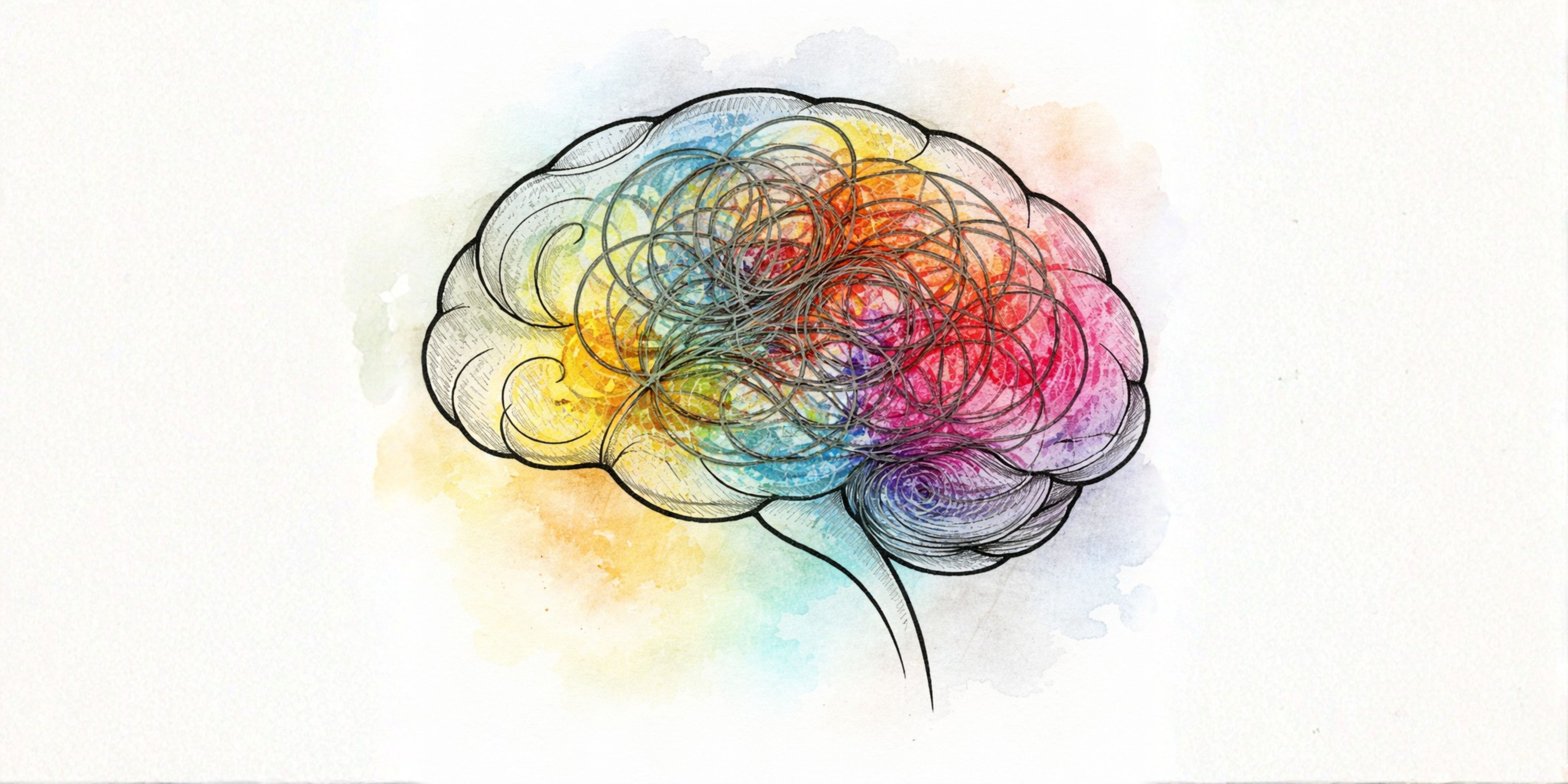
It feels like trying to move through invisible resistance.
Like your mind is busy, but not with the thing you need it to be.
2. A Quick Perspective
• ADHD is estimated to affect around 3–4% of adults in the UK
• Many people remain undiagnosed well into adulthood
Resources
NICE CKS (updated periodically); NHS England ADHD Programme Update (2024); NHS England Independent ADHD Taskforce Reports (2025)
3. What ADHD Can Feel Like
For many people, ADHD isn’t just about being “hyper” or distracted.
It can feel like:
• Starting ten things and finishing none.
• Knowing what needs to be done, but being unable to begin.
• Feeling overwhelmed by simple tasks
• Losing focus even when something matters deeply
• Constant mental noise that won’t quiet down
It’s not a lack of effort.
Often, it’s the opposite. You’re trying harder than most people realise.
4. The Hidden Struggle
One of the hardest parts is how invisible it is.
People may say:
“Just focus.”
“Just get on with it.”
“Everyone feels like that sometimes.”
But this feels different.
It’s not occasional.
It’s constant.
And over time, that can lead to:
• Frustration
• Guilt
• Self-doubt
• Feeling like you’re falling behind
5. Why Simple Tasks Can Feel Overwhelming
Tasks that seem small on the surface often require:
• Starting energy
• Sustained focus
• OrganisationDecision-making
When your brain struggles with these behind the scenes, even simple things can feel heavy.
It’s not that the task is hard.
It’s that the starting feels heavy… and the continuing feels even harder.
6. A Different Way to Understand It
If any of this resonates, it doesn’t mean something is wrong with you.
It may simply mean:
👉 Your brain works differently
And the world you’re navigating wasn’t designed for that difference.
7. A Gentle Way Forward
Instead of trying to “fix” yourself…
Try working with your mind:
• Break tasks into very small steps
• Focus on starting, not finishing
• Reduce pressure where possible
• Create gentle structure, not rigid systems
Small shifts. Less resistance. More understanding.
8. Frequently Asked Questions
Can I have ADHD without being diagnosed?
Yes. Many people go undiagnosed, especially into adulthood. If you relate strongly to these experiences, it may be worth exploring further with a professional.
Is ADHD just about being distracted?
No. It often includes difficulties with focus, motivation, emotional regulation, and starting tasks—not just attention.
Why do I feel lazy even when I’m trying?
Because from the outside it can look like inactivity. But internally, there may be overwhelm, mental fatigue, or difficulty starting.
Can ADHD affect adults?
Yes. ADHD doesn’t disappear with age—it often just looks different.
What should I do if this resonates with me?
Start with awareness. Then, if needed, speak to a qualified professional who can offer guidance and support.
9. Final Thoughts
If your mind feels scattered, overwhelmed, or hard to control…
You’re not lazy.
You’re not failing.
You’re trying to move forward in a way that others may never fully see.
And that effort—quiet, unseen, and constant—matters more than you think.
10. Support & Useful Organisations
If any part of this resonated with you, it’s important to know this:
You’re not alone.
And you don’t have to figure it out by yourself.
There are organisations that offer guidance, understanding, and practical support — whether you’re exploring your own experiences or supporting someone else.
🇬🇧 Trusted UK Support
ADHD UK
Practical information, lived-experience insights, and advocacy for better awareness and support.
National Health Service (NHS)
Clear guidance on symptoms, diagnosis pathways, and how to seek support through your GP.
🔗 https://www.nhs.uk/conditions/attention-deficit-hyperactivity-disorder-adhd/
Mind
Wider mental health support, including help with anxiety, overwhelm, and emotional wellbeing.
YoungMinds
Support specifically for young people and parents navigating emotional and behavioural challenges.
🔗 https://www.youngminds.org.uk
A gentle note
This article is here to inform, support, and encourage reflection — not to diagnose.
If you recognise yourself in any of this and are finding things difficult,speaking to a qualified professional can be a really positive next step.
Even starting with a simple conversation with your GP can help you feel clearer and more supported.
If you take one thing away
You’re not “behind.”
You’re not “failing.”
You might just be understanding yourself more deeply than ever before —and that’s a powerful place to begin.