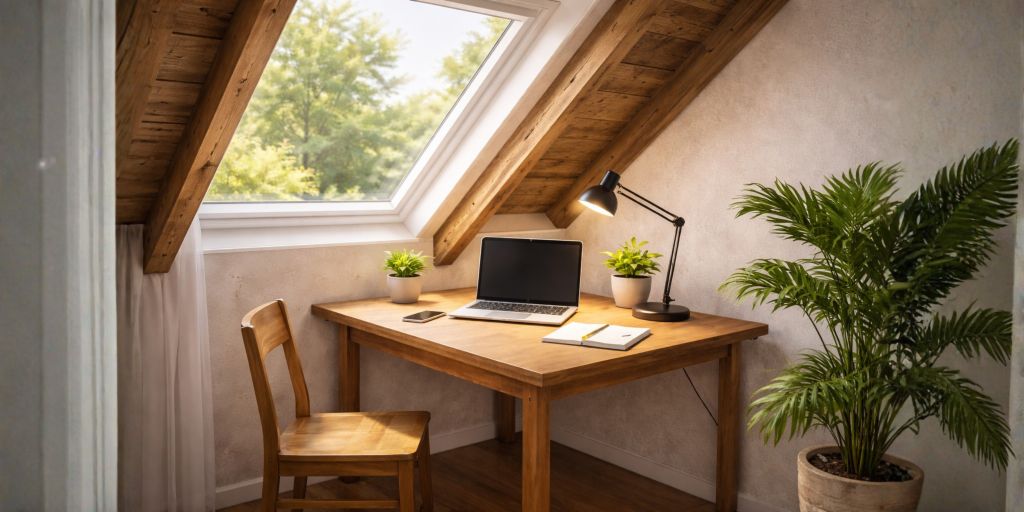
Simple Business Ideas You Can Start From Home (UK Guide)
Introduction
Starting a business from home sounds simple.
But in reality, it can feel anything but.
Self-doubt, anxiety and uncertainty can easily creep in when you begin thinking about self-employment.
You might find yourself wondering:
• Is my idea good enough?
• Will anyone actually pay for this?
• What if I waste time or money?
You’re not alone.
Many people who start their first business experience exactly the same doubts — I certainly did.
And in many ways, those feelings are a good sign.
They show you care about what you’re building.
Here’s something that often gets overlooked:
You don’t need huge investment, a fancy office, or a complicated business plan to start.
Many successful businesses begin quietly — at a kitchen table, in a spare room, or during evenings after work.
In this guide, we’ll explore several realistic business ideas you can start from home in the UK, along with practical advice to help you choose the right one for you.
Popular home businesses people start in the UK include freelance services, tutoring, digital products, creative products, and local service businesses.
Contents
- Freelance Services (Low Cost, High Skill)
- Online Tutoring or Teaching
- Handmade or Creative Products
- Digital Products
- Pet Services
- Reselling or Flipping
- Local Service Businesses
- How to Choose the Right Idea
- Helpful Hints: Start Small, Stay Steady
- Practical UK Considerations
- Final Thoughts
1. Freelance Services (Low Cost, High Skill)
If you already have a skill, you may already have a business idea.
Examples include:
• Copywriting or blog writing
• Social media support
• Graphic design
• Basic bookkeeping
• Virtual assistant services
• Tutoring (online or local)
You don’t need to set up a limited company to begin.
Many people start as a sole trader and grow gradually over time.
Why this works
• No stock required
• No physical space needed
• Minimal start-up costs
• You can start part-time alongside other work
If you’ve worked in an office, school, business — or even volunteered — you likely already have transferable skills and knowledge that could form the foundations of a small home-based business.
2. Online Tutoring or Teaching
The demand for online learning continues to grow year after year, with more opportunities appearing all the time.
You don’t necessarily need formal teaching experience to get started, although it can certainly help.
What matters most is enthusiasm, organisation, subject knowledge, and the ability to explain things clearly.
You could offer support in areas such as:
• GCSE subjects
• Primary maths or English
• 11+ preparation
• Adult skills (CV writing, basic IT skills)
• Language lessons
• Music lessons
If you have strong knowledge in a particular subject and enjoy helping others learn, there’s a good chance you could turn that skill into a small home-based business.
This could be delivered in different ways:
• Face-to-face lessons
• One-to-one sessions
• Small group teaching
• Online sessions using Zoom or WhatsApp
With consistent effort and dedicated time set aside to build it, tutoring can grow into a significant steady and flexible income stream over time.
3. Handmade or Creative Products
If you are imaginative, creative, or have a practical hobby you enjoy, you may be able to carve out a small niche in the market.
The key here is to create a unique selling point — something that makes your work stand out.
Maybe your materials are organic or environmentally sourced.
Maybe you specialise in certain colours, styles or sizes.
Whatever you choose — embrace that difference.
Talk about it.
Be known for it.
It might only be a small niche — but small niches can often be both beautiful and surprisingly profitable.
At the same time, always be mindful of what things cost and how long they take to make.
Your time matters.
A useful guide is to think about minimum wage when pricing your work.
If something takes two hours to make, your pricing needs to reflect that.
Otherwise, you may find yourself working very hard without earning much at all.
There are many creative products that people successfully sell from home, including:
• Handmade candle
• Jewellery
• Personalised gifts
• Art prints
• Digital downloads (planners, templates, wall art)
Platforms like Etsy can allow you to test demand before investing heavily.
Helpful advice:
• Start small
• Test one product first
• Don’t overbuy stock until you see consistent sales
4. Digital Products (Low Overheads)
With the rise of AI and simple design tools like Canva, it has never been easier to create digital products from home.
These are products that exist entirely online — which means they are relatively cheap to create and require no physical stock to store.
Digital products are attractive for one simple reason:
Once they are created, they can be sold again and again.
Examples include:
• Budget planners
• Fitness trackers
• Study guides
• Simple business templates
• Printable wall art
The idea is simple.
You create it once.
You can sell it many times.
However, it’s important to stay realistic.
Digital products are not automatically passive income.
You still need to market them, build trust with your audience, and help people discover what you’ve created.
But with patience and consistent effort, they can become a valuable additional income stream.
5. Pet Services (If You Have Time and Space)
If you love animals, pet services can be another simple business idea to run from home.
Many people have busy schedules and need reliable help caring for their pets during the day or when they travel.
Some common services include:
• Dog walking
• Pet sitting
• Pet visits for feeding or companionship
• Small-scale home boarding (always check local council guidance)
These businesses require very little equipment to start, but they do come with responsibility.
You may also need insurance and should always make sure you understand local regulations.
For many people, pet services grow into a reliable and rewarding local business built on trust and word-of-mouth recommendations.
6. Reselling or Flipping
Another simple way to start a small business from home is by reselling items.
Some people begin by selling things they already own, while others look for undervalued items they can restore or improve before selling again.
Common examples include:
• Clothes
• Books
• Collectables
• Furniture (if you have space to store it)
Platforms such as eBay, Vinted and Facebook Marketplace can make it easy to reach buyers.
The key to success here is discipline.
Remember to always:
• Research resale value carefully
• Factor in selling fees and delivery costs
• Track your profit properly
• Be true to your word, respect your customers and look after them
If done thoughtfully, reselling can become a steady side income and a useful way to learn basic business skills.
7. Local Service-Based Businesses
Sometimes the simplest business ideas are the ones people overlook.
Yet many of the most reliable small businesses are built around solving everyday problems for people in the local community.
For example:
• Garden maintenance
• Window cleaning
• House cleaning
• Car valeting
• Basic tech support for older residents
These businesses don’t usually require large start-up costs or specialist equipment.
What they do require is reliability, consistency and good customer service.
They may not sound glamorous.
But they solve real problems.
And solving real problems is what running a successful business is all about.
How to Choose the Right Idea
The key to any successful business — large or small — is commitment.
And the key to long-term commitment is passion.
You need to genuinely enjoy what you are doing and care about the work you are putting into it.
If you don’t, it becomes very difficult to stay motivated when things inevitably become challenging.
Before committing to any business idea, it’s worth taking a step back and asking yourself a few honest questions.
These don’t need complicated answers — but they do require honesty.
For example:
1. Why do I want to start this business?
2. What parts of it will I enjoy most?
3. What parts of it might I dislike?
4. Do I have the knowledge, skills, and willingness to put in the effort required?
5. Am I genuinely passionate about this idea — and if so, why?
6. What would I like this business to become in the long term?
Thinking about these questions can help you move beyond excitement and towards clarity.
You may also want to consider a few practical points:
• Do I enjoy this enough to stay consistent over time?
• Is there genuine demand for this idea?
• Can I start small and test it before investing too much money?
• What are the realistic start-up costs?
• How long could I sustain this before expecting it to make a profit?
Excitement is important.
But clarity is even more important.
Taking time to think these things through early on can save you a lot of stress, time, and money later.
Helpful Hints
Start Small. Stay Steady. Be Wise.
Keep things simple.
One of the biggest reasons people delay starting a business is because they feel everything needs to be perfect before they begin.
A perfect logo.
A perfect website.
A perfect plan.
In reality, most successful small businesses didn’t start that way.
They started with something much simpler.
A clear offer.
One or two early customers.
And consistent effort.
That’s often all it takes to begin.
As your confidence grows, you can improve things gradually — refining your service, adjusting your pricing, and building a stronger presence over time.
Progress is far more important than perfection.
Start small.
Stay steady.
And allow the business to grow naturally as you learn.
Practical UK Considerations
Before starting any small business, it’s also important to understand the basic legal and tax requirements in the UK.
For many people beginning a home business, the simplest structure is to operate as a sole trader.
If you earn more than £1,000 in a tax year from self-employment, you may need to register with HMRC as a sole trader.
The official GOV.UK guidance explains the process clearly and is always the best place to check the most up-to-date information:
https://www.gov.uk/become-sole-trader
If you’re still unsure about the different ways a business can be set up in the UK, the following page provides a helpful overview:
https://www.gov.uk/set-up-business
Government guidance can sometimes feel a little technical at first, but it’s always worth checking the official source so you know you’re working from accurate and current information.
Final Thoughts
Starting a small business is an emotional journey.
You’re not just beginning a new way of earning money — you’re stepping into an adventure that will take you well outside your comfort zone and test you in ways you may not expect.
At different times you may feel excited, anxious, curious, passionate, exhausted, or even overwhelmed.
And that’s completely normal.
Every new challenge you face will teach you something — about your business, about problem-solving, and often about yourself.
Unexpected problems will arise along the way.
But that isn’t necessarily a bad thing.
Those moments are often where the most valuable lessons are learned.
When I was self-employed, the biggest lesson I learned wasn’t about making more money.
It was about managing risk and learning to move forward one step at a time.
Starting small protects your confidence.
You don’t need a huge leap.
Just one sensible step.
Then another.
And another.
Over time, those small steps can quietly grow into something far bigger than you first imagined.
If you found this post helpful you may also be interested in reading the following articles too:
Articles
← How to Start a Small Business in the UK (A Practical Step-by-Step Guide)
← What Passive Income Really Is (And What It Isn’t)
← Small Business Tax in the UK Explained Simply
← Making Tax Digital in April 2026: What Small Businesses Need to Know
← How to Prepare for Making Tax Digital (Simple Step-by-Step Guide)
← AI for Small Business: 10 Prompts That Could Save You Time, Money and Costly Mistakes